What Acrylic to Use for Cake Topper: A Complete Material Guide

Informational

If you are planning to create cake toppers, one of the most common questions is: what acrylic to use for cake topper projects? Choosing the right type of acrylic is essential to ensure durability, clean cuts, and a professional finish.

With various options available, understanding the basics of acrylic sheets will help you make the right decision for your needs.

Understanding Acrylic Types

There are two main types of acrylic sheets: cast acrylic and extruded acrylic.

Cast acrylic is generally preferred for cake toppers because it offers better optical clarity and superior engraving results. It also responds well to laser cutting, producing smooth and polished edges.

Extruded acrylic, while more affordable, is softer and may not deliver the same level of detail when engraved or cut. However, it can still be used for simpler designs or cost-sensitive projects.

Read also: Best Acrylic Sheet for Cake Topper: Thickness, Finish & Tips

1. Choosing the Right Thickness

Thickness is another important factor when deciding what acrylic to use.

For most cake topper applications, a thickness of 2 mm to 3 mm is recommended. This range provides enough strength to hold its shape while still being easy to cut and handle.

If your design is larger or more complex, opting for 3 mm acrylic can provide additional stability. Thinner sheets may bend, while thicker ones can be harder to work with.

2. Selecting the Right Finish

The finish of the acrylic sheet will influence the final look of your cake topper.

Clear acrylic is the most versatile option, offering a modern and elegant appearance. It is ideal for weddings, corporate events, and minimalist designs.

Colored acrylic sheets are perfect for creating bold and eye-catching toppers. Popular choices include black, white, gold, and pastel shades.

Frosted acrylic is another option for achieving a soft, diffused look, while mirrored acrylic can add a luxurious touch.

3. Compatibility with Fabrication Methods

When deciding what acrylic to use for cake topper production, it is important to consider your fabrication method.

Laser cutting is the most commonly used technique, and high-quality acrylic sheets will ensure precise cuts and smooth edges. Acrylic also works well with UV printing and engraving, allowing for customized designs and branding.

Choosing the right material ensures fewer defects and better overall results during production.

Read also: Acrylic Sheet for Display Stand: Best Thickness and Type to Use

Why Material Quality Matters

Using high-quality acrylic sheets is key to achieving consistent and professional outcomes. Low-quality materials may have uneven thickness, poor clarity, or be prone to cracking during cutting.

For businesses, investing in premium acrylic sheets helps maintain product quality and reduces waste during production.

Working with a trusted supplier ensures that you get reliable materials that meet your production standards.

Conclusion

Understanding what acrylic to use for cake topper projects comes down to selecting the right type, thickness, and finish. Cast acrylic with a thickness of 2 mm to 3 mm is generally the best choice for most applications.

By choosing high-quality acrylic sheets and using proper fabrication techniques, you can create cake toppers that are not only durable but also visually appealing and professional.

Still unsure what acrylic to use for your cake topper? Marga Cipta offers a wide range of high-quality acrylic sheets in various thicknesses and finishes to suit your project requirements.

Contact us at info@margacipta.com or our Instagram to order and get the best material for your production needs. 

News Release

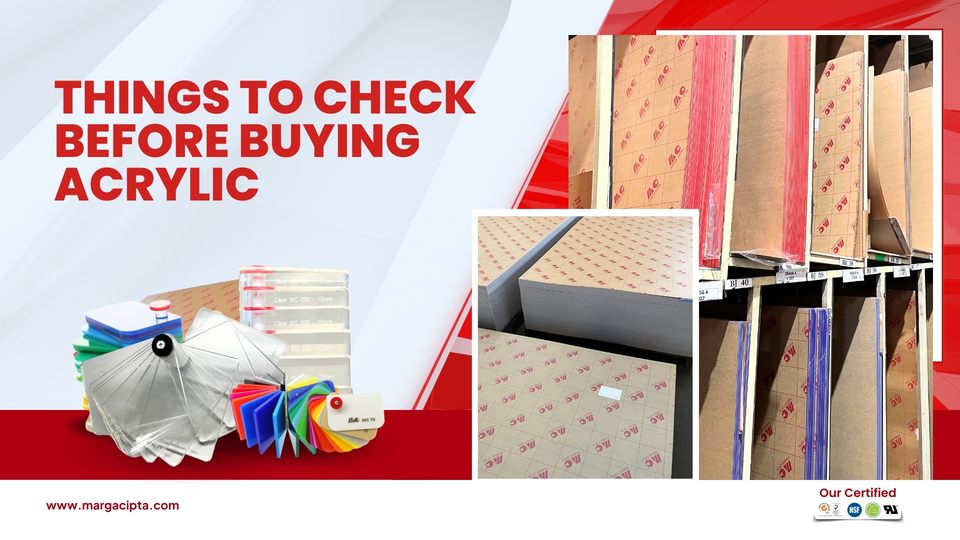
Things to Check Before Buying Acrylic

Acrylic sheets are widely used in industries such as signage, architecture, furniture, and even food-related applications. But with so many options available, knowing how to choose acrylic sheets is essential to ensure quality, safety, and durability.

1. Decide Between Cast or Extruded Acrylic

There are two main types of acrylic sheets:

  • Cast Acrylic: Known for superior optical clarity and durability, making it ideal for premium applications.
  • Extruded Acrylic: More cost-effective with consistent thickness, great for general purposes.

2. Check Thickness and Size Options

Different projects require different sheet thicknesses and dimensions. Make sure the supplier offers the right size to fit your application needs.

Read also: Choose the Right Cast Acrylic Color for Your Project

3. Evaluate Optical Clarity

High-quality acrylic should be crystal clear, with excellent light transmission similar to glass. Avoid sheets that look cloudy or yellowish, which usually means lower grade acrylic.

4. Consider Durability and Resistance

Choose acrylic that offers impact resistance, UV protection, and weather durability, especially for outdoor use. This ensures long-lasting performance.

5. Look for Certification and Safety Standards

For food displays or hygienic environments, select acrylic sheets that have NSF or FDA certification to guarantee safety in food contact applications.

Read also: Acrylic vs Polycarbonate: Which One Should You Use?

6. Work with a Trusted Supplier

A reputable supplier ensures consistent product quality and adherence to international standards, reducing risks for your projects.

Conclusion

Understanding how to choose acrylic sheets will help you make the best decision for your projects. From material type and thickness to certifications and supplier reliability, every factor matters in achieving the desired results.

Looking for premium acrylic sheets? Marga Cipta is a trusted manufacturer of cast acrylic sheets with NSF-certified options (clear and white opal). Contact us today at info@margacipta.com to find the right acrylic for your needs!

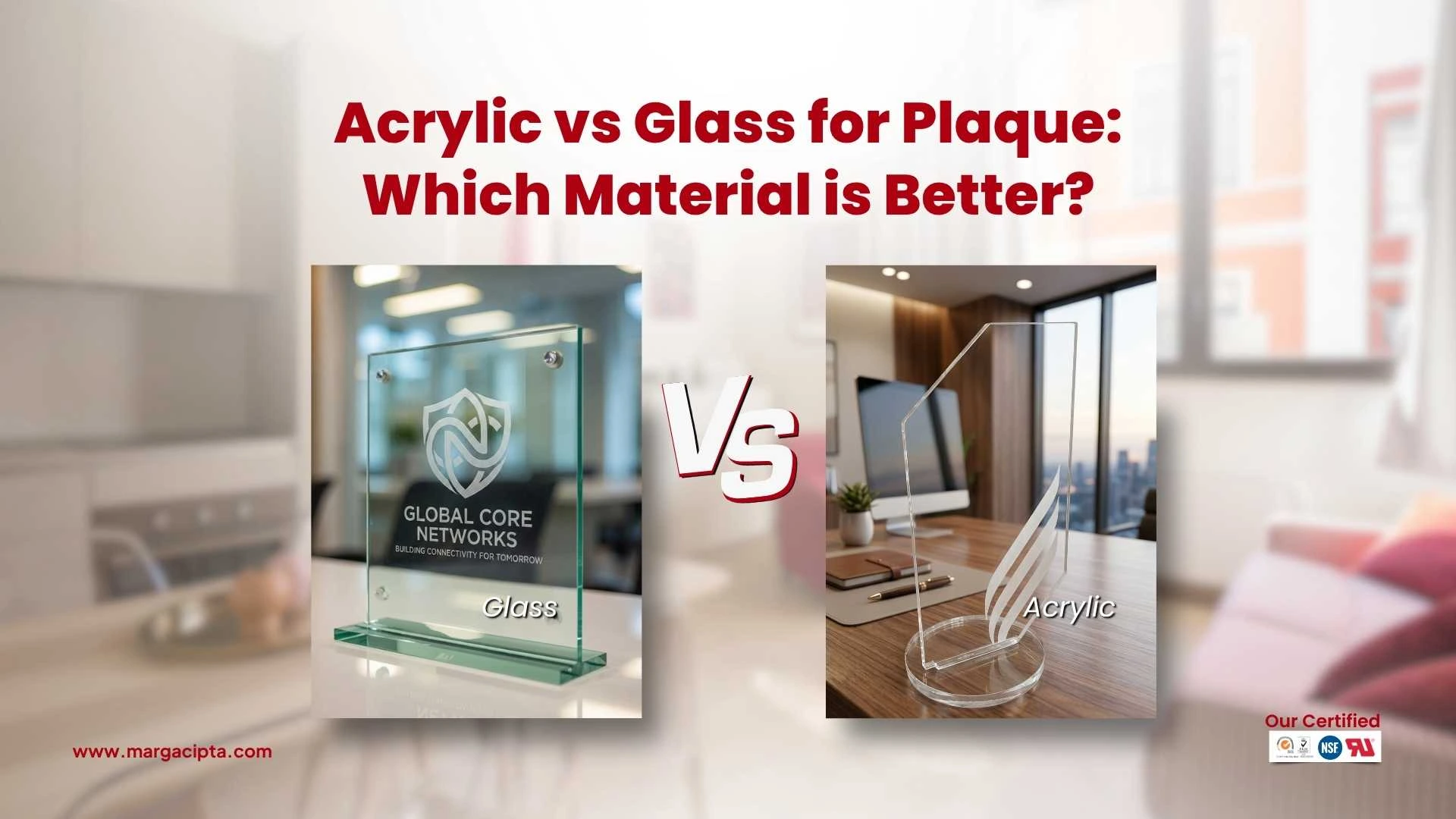
Acrylic vs Glass for Plaque: Which Material is Better?

Acrylic is generally better than glass for plaque applications.

It offers higher impact resistance, lighter weight, and easier fabrication while still maintaining a clear, premium appearance.

For most commercial and design purposes, acrylic provides a more practical and efficient solution.

Quick Comparison: Acrylic vs Glass

Feature

Acrylic

Glass

Impact Resistance

High (does not shatter easily)

Low (breakable)

Weight

Lightweight

Heavy

Clarity

Excellent

Excellent

Fabrication

Easy

Limited

Cost

More efficient

Higher overall cost

Durability and Safety

Acrylic is significantly more impact-resistant than glass. It does not shatter easily, making it safer for use in offices, public spaces, and high-traffic environments.

Glass, while visually appealing, is fragile and prone to breaking. This can lead to safety risks and higher replacement costs.

Read also: How to Choose UV Resistant Acrylic Sheets for Outdoor Applications

Visual Appearance

Both materials offer a clean and transparent look, but acrylic has a more consistent and modern finish.

Acrylic sheets also provide better results for:

  • UV printing
  • Laser engraving
  • Custom designs

Glass may have a slight tint depending on its composition, while acrylic maintains clearer visual consistency.

Weight and Installation

Acrylic is much lighter than glass, making it easier to handle, transport, and install.

This is especially important for:

  • Large plaques
  • Wall-mounted signage
  • Bulk production

Glass requires more careful handling and stronger support systems due to its weight.

Fabrication and Flexibility

Acrylic is highly versatile and compatible with modern production techniques.

It can be:

  • Cut precisely
  • Engraved easily
  • Printed directly

Glass, on the other hand, requires specialized tools and has limited flexibility for customization.

Cost Efficiency

Acrylic is generally more cost-effective than glass when considering:

  • Material cost
  • Fabrication process
  • Transportation and installation

Its durability also reduces the risk of damage, making it a more reliable long-term investment.

Read also: What Acrylic to Use for Cake Topper: A Complete Material Guide

Why Acrylic is the Preferred Material

For most plaque applications, acrylic offers the best balance between:

  • Durability
  • Aesthetics
  • Practicality

This is why many businesses and manufacturers choose acrylic sheets as their primary material.

Marga Cipta provides high-quality acrylic sheets that are suitable for various fabrication methods, helping ensure consistent and professional results.

Conclusion

In the comparison of acrylic vs glass for plaque, acrylic stands out as the better overall material.

It combines strength, clarity, and flexibility, making it ideal for modern plaque production. For businesses looking for efficiency and reliability, acrylic is the smarter choice.

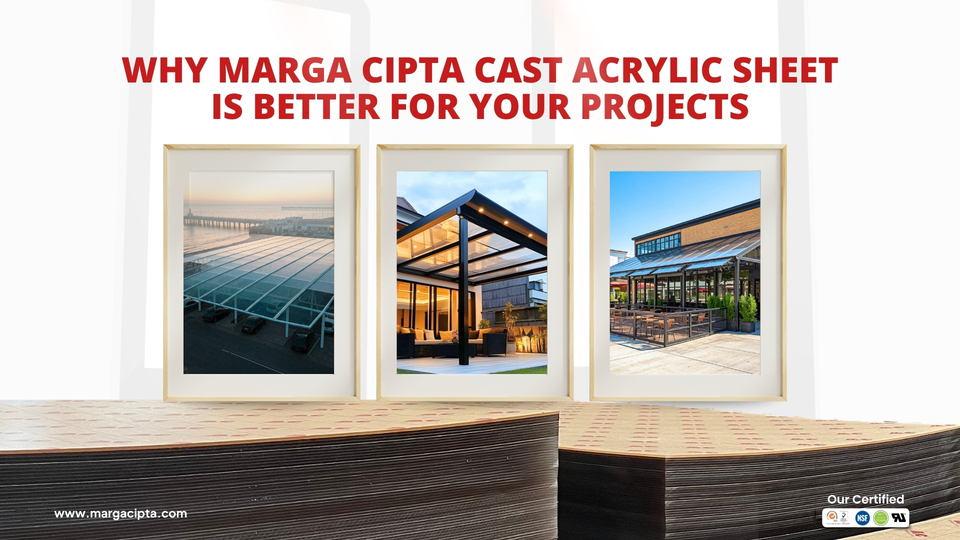
Why Cast Acrylic Is Better Than Glass: Benefits You Should Know

When it comes to choosing materials for design, construction, or manufacturing projects, cast acrylic sheet stands out as one of the most reliable and versatile choices. 

MC® Cast Acrylic Sheet offers distinct advantages that make it a superior option compared to many alternatives on the market. 

From durability to performance, here are the key reasons why MC® Cast Acrylic Sheet is better than others.

1. Superior Clarity and Transparency

One of the biggest reasons designers and fabricators choose cast acrylic sheet is its glass-like transparency. MC® Cast Acrylic Sheet delivers exceptional optical clarity. 

Unlike cheaper alternatives that may appear cloudy or distort visuals, MC® Cast Acrylic maintains consistent clarity, making it ideal for displays, signage, windows, and architectural applications.

2. Excellent Strength and Durability

Compared to standard plastic sheets, cast acrylic sheet is known for its impact resistance and durability. 

MC® Cast Acrylic Sheet is stronger than glass while being much lighter in weight. It resists shattering, scratching, and weathering, ensuring long-lasting performance both indoors and outdoors. 

This makes it especially suitable for industries such as construction, medical equipment, and transportation.

Read also: Cast Acrylic vs Extruded, Which One Is Better?

3. Versatility in Fabrication

Fabricators often prefer MC® Cast Acrylic Sheet because it is easier to cut, bend, polish, and thermoform compared to other materials. 

Unlike extruded acrylic, which can have limitations during processing, cast acrylic sheet maintains stability under high heat and delivers smoother, cleaner edges when machined. This flexibility makes it perfect for custom projects and large-scale manufacturing.

4. Wide Range of Applications

MC® Cast Acrylic Sheet is not just strong and clear, it is also highly versatile in application. Commonly used for:

  • Point-of-sale displays and retail fixtures
  • Protective barriers and sneeze guards
  • Architectural glazing and skylights
  • Lighting diffusers and decorative panels
  • Medical and laboratory equipment

The adaptability of cast acrylic sheet ensures that businesses across multiple industries can benefit from its unique properties.

Read also: Do’s and Don’ts: Cleaning Acrylic Sheet the Right Way

5. Resistance to Weather and Chemicals

Unlike some plastics that yellow, warp, or become brittle over time, MC® Cast Acrylic Sheet offers excellent resistance to UV rays, weather conditions, and many chemicals. 

This makes it ideal for both indoor and outdoor use, ensuring long-term value and performance in demanding environments.

Choosing the right material can make or break a project. While there are many options available, MC® Cast Acrylic Sheet consistently proves to be a better choice than other alternatives. 

Its superior clarity, strength, durability, and versatility give it a competitive edge, making it the go-to material for industries that demand both performance and aesthetics.

If you are searching for a reliable cast acrylic sheet supplier, consider MC® Cast Acrylic Sheet for unmatched quality and long-lasting results.

PT Margacipta Wirasentosa produces high-quality acrylic using 100% virgin MMA, delivering consistent clarity, strength, and NSF-certified options (clear and white opal). 

Contact us to info@margacipta.com to get the right acrylic solution for your business.

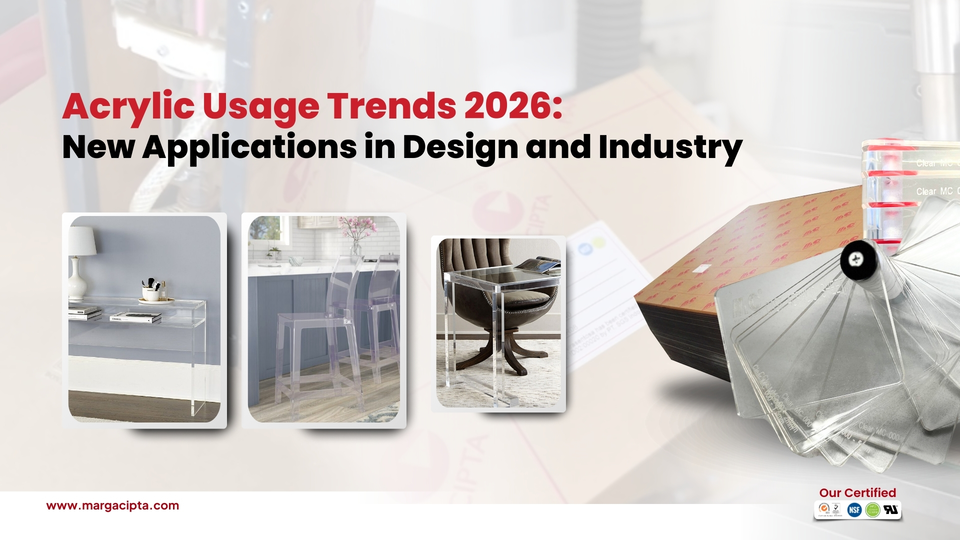
Acrylic Usage Trends 2026: New Applications in Design and Industry

Acrylic continues to gain momentum as one of the most versatile materials across design, construction, and manufacturing industries. Known for being lightweight, strong, highly transparent, and easy to fabricate, acrylic is increasingly replacing traditional materials such as glass and metal.

As we move into 2026, acrylic is no longer limited to signage or displays. Its applications are expanding rapidly, opening new opportunities for businesses, designers, architects, and manufacturers. Below are the key acrylic usage trends predicted to shape design and industry in 2026.

Trend 1: Acrylic Interior Panels

One of the strongest acrylic usage trends in 2026 is the rise of acrylic interior panels for both commercial and residential buildings.

Why this trend is growing:

The rapid development of offices, retail spaces, hotels, and modern housing has increased demand for materials that are visually appealing, durable, and cost-efficient. Acrylic interior panels offer high clarity and a sleek, minimalistic look, making them ideal for partitions, wall panels, and decorative elements.

Compared to glass, acrylic is more affordable, lighter, and easier to install. Designers and architects also favor acrylic for its flexibility in color, thickness, and finish, allowing them to create modern interior concepts without compromising safety or aesthetics.

Read also: 100% Virgin MMA: The Key to High-Quality Acrylic Sheets

Trend 2: LED Signage and Display Systems

LED signage remains one of the most dominant acrylic applications heading into 2026.

Why this trend continues to rise:

Offline retail transformation is still strong, particularly in developing markets where physical stores continue to evolve. Many small and medium-sized businesses are renovating storefronts and upgrading visual branding, increasing demand for LED signage and display systems.

Acrylic is the preferred material for LED signage due to its excellent light transmission, smooth surface, and ability to diffuse light evenly. From illuminated logos and lightboxes to promotional displays, acrylic helps businesses create brighter, more attractive visual communication.

Trend 3: Acrylic Greenhouse Panels

Sustainability and food security are driving the growth of urban farming, hydroponics, and smart agriculture—making acrylic greenhouse panels a key trend in 2026.

Why this trend is emerging:

Acrylic offers superior UV resistance, high transparency, and better impact strength compared to glass. These properties make it ideal for greenhouse roofs and walls, where consistent light transmission and durability are essential.

As urban farming expands into rooftops, compact land areas, and controlled environments, acrylic greenhouse panels provide a long-lasting, lightweight solution that supports plant growth while reducing maintenance costs.

Read also: Food Grade Acrylic: Safe Choice for Your F&B Business

Trend 4: Furniture, Home Décor, and Small Products

Acrylic furniture and decorative items are gaining popularity, influenced heavily by social media-driven interior trends.

Why this trend is accelerating:

Clean, modern, and minimalist interiors are in high demand, and acrylic fits perfectly into this aesthetic. Furniture such as acrylic chairs, tables, shelves, and decorative panels offers a contemporary look without making spaces feel heavy.

In addition, e-commerce sellers increasingly use acrylic for DIY products and small household items. Consumers prefer materials that are lightweight, modern, durable, and visually appealing—qualities that acrylic delivers consistently.

Acrylic: A Material with Expanding Relevance

The versatility of acrylic makes it increasingly relevant across industries beyond traditional applications. From architecture and retail to agriculture and lifestyle products, acrylic continues to adapt to changing market needs.

To support these growing demands, choosing a high-quality material is essential. MC® Cast Acrylic Sheet is a proven solution, offering consistent clarity, strength, and fabrication performance for both design and industrial applications.

Conclusion

Acrylic usage trends in 2026 highlight a clear shift toward materials that combine aesthetics, durability, and flexibility. Interior panels, LED signage, greenhouse systems, and furniture are just a few examples of how acrylic is shaping the future of design and industry.

By leveraging reliable materials like MC® Cast Acrylic Sheet, businesses can stay ahead of trends and unlock new opportunities in an evolving market.